by asupangco | Aug 4, 2026 | News
Living well with chronic conditions is about more than managing symptoms—it is about maintaining the activities, relationships, and passions that bring meaning, joy, and purpose to everyday life.
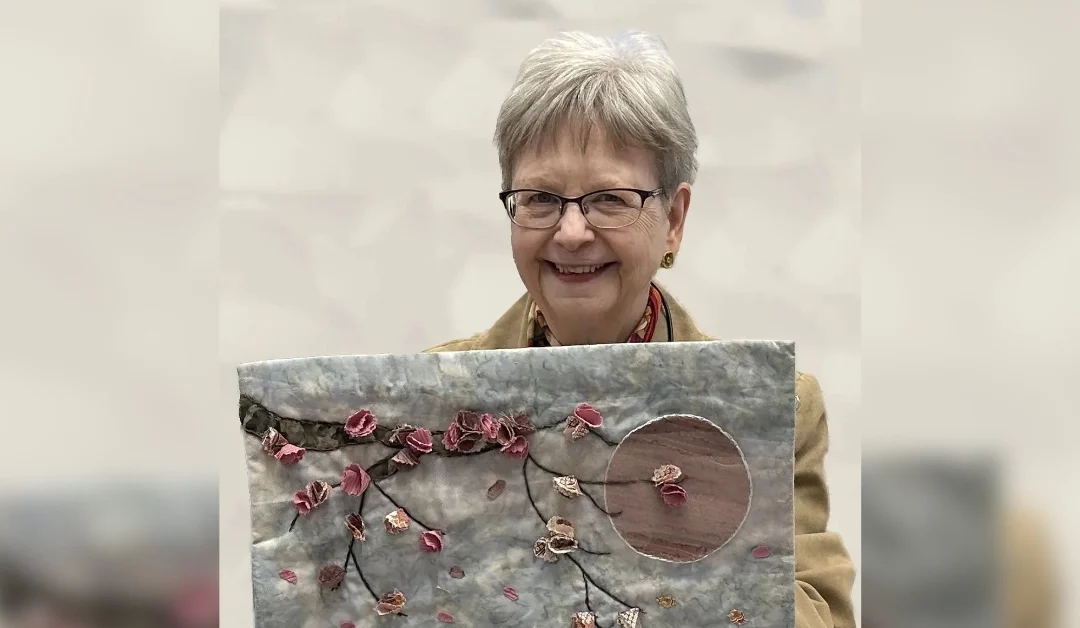
For Vickie, an active and creative Richmond resident in her 70s, support from the Richmond Primary Care Network (PCN) has helped her continue doing exactly that.
After living with diabetes for more than a decade, Vickie began to feel overwhelmed by repetitive meal planning and discouraged about maintaining an active lifestyle. She wanted practical advice that would support her health without limiting her ability to enjoy her creative pursuits and daily activities.
A referral from Dr. Alex Chesley connected Vickie with the Richmond PCN, where she received personalized, team-based care designed around her individual goals and lifestyle.
Thoughtful, Team-Based Care for Real Life Chronic Condition Management
Vickie’s care journey began with support from a PCN Registered Dietitian, who focused on helping her build balanced eating habits without strict rules or unrealistic expectations.
Working alongside the PCN Chronic Disease Management Team, Vickie explored small, achievable lifestyle changes that fit naturally into her routine. One particularly valuable step was trialing a glucose sensor, which allowed her to better understand how food choices, meal timing, and physical activity affected her blood sugar levels.
Rather than feeling restricted by her diabetes, Vickie began feeling informed and empowered.
Simple changes—such as taking a 20-minute walk after meals—quickly became part of her daily routine. Within three months, she saw improvements in her A1C levels. More importantly, she felt renewed motivation and confidence, allowing her to take control of her health rather than feeling controlled by it.
Personalized Support That Protects What Matters Most
For Vickie, staying healthy also means staying creative.
As President of the Textile Arts Guild of Richmond, sewing and embroidery are important parts of her life and well-being. When arthritis in her hands began making these activities more difficult, the PCN connected her with an Occupational Therapist for additional support.
Through one-on-one sessions, the Occupational Therapist took time to observe Vickie while she sewed and worked alongside her to improve posture, grip, and hand positioning. Small adjustments—and even simple tools such as a household chip clip to relieve hand tension after sewing—made a meaningful difference.
These solutions were practical, sustainable, and tailored to Vickie’s everyday life, helping her continue participating in the activities she loves.
Working Together for Better Patient Experiences
Vickie’s story reflects the heart of PCN care: listening first, working collaboratively, and supporting people to live well.
By bringing together family physicians, dietitians, occupational therapists, and other healthcare professionals, the Richmond PCN provides coordinated care that reflects each patient’s goals, values, and daily realities.
For Vickie, this approach meant improved confidence, better diabetes management, and the ability to continue pursuing the creative activities that enrich her life.
Help Richmond PCN Support You and Your Patients with Chronic Conditions
The Richmond Primary Care Network connects family physicians with multidisciplinary healthcare teams that help patients manage chronic conditions, improve their well-being, and continue doing the things that matter most to them.
Learn more about how the Richmond Primary Care Network can support your patients.
by asupangco | Jul 25, 2026 | News
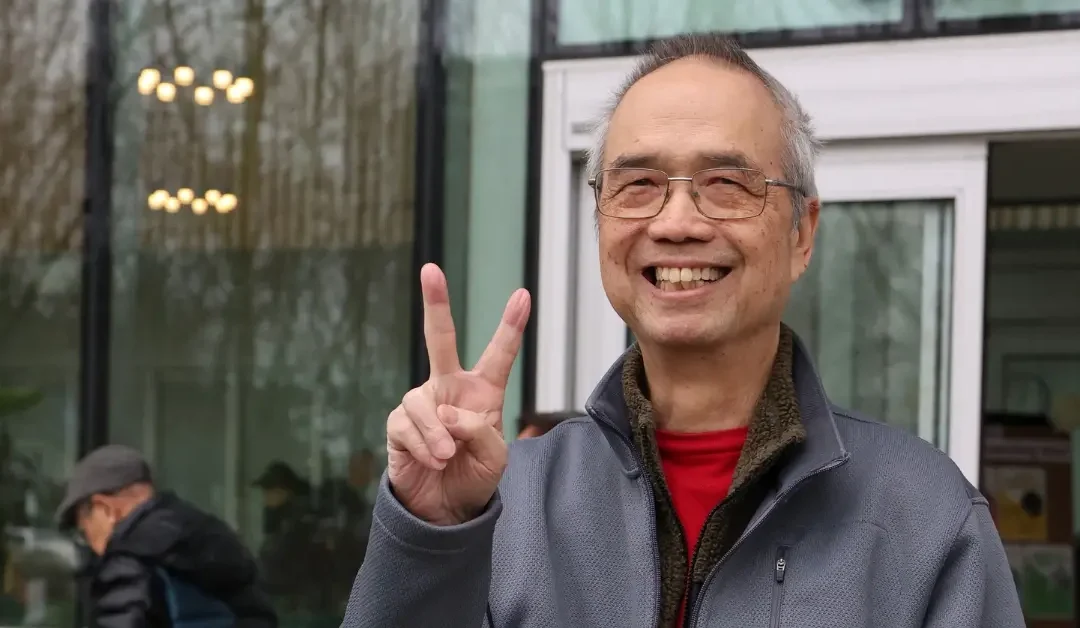
Before connecting with the Richmond Primary Care Network (PCN), George’s life had become increasingly challenging.
At age 74, George was living with several complex health conditions, including a history of open-heart surgeries, a pacemaker, and hypothyroidism. Over time, his energy levels declined, leaving him feeling exhausted and less motivated to stay active or socially engaged.
The situation became even more difficult when George’s wife experienced a serious fall resulting in a fracture. As her primary caregiver, George spent much of his time at home supporting her recovery. Because his wife was unable to manage stairs, George slept on a mat on the floor for several months so he could remain nearby to assist her.
With their adult children living outside the community, everyday responsibilities became increasingly demanding. During this same period, George also experienced the loss and illness of several close friends, contributing to feelings of isolation. Gradually, his physical activity decreased, social connections faded, and his mental health began to suffer. George eventually developed symptoms of depression.
Richmond PCN: Support That Addressed the Whole Picture
Recognizing the need for support, George reached out to his family physician and was referred to PCN services.
Through the PCN, George was connected with both a mental health counsellor and a community navigator. Together, they provided coordinated support that addressed not only his emotional well-being but also his connection to the community.
Through counselling, George learned practical strategies for managing negative thought patterns and was encouraged to take small, achievable steps toward rebuilding his routine and confidence.
At the same time, the community navigator helped George explore local recreational and social opportunities. George and his wife were assisted with registering at the Minoru Centre for Active Living, and George was encouraged to reconnect with activities he once enjoyed.
There, he reconnected with an old friend and returned to playing poker—an activity he had always enjoyed—which quickly became a regular and meaningful part of his week. He also began swimming regularly while his wife attended exercise classes.
A New Chapter
Today, George’s daily routine looks very different.
He participates in Luk Tung Kuen exercise classes each morning at South Arm Community Centre, plays cards with friends several times a week, and swims regularly. He feels more confident leaving home and navigating community programs independently.
Meanwhile, George’s wife has also benefited from PCN support. Physiotherapy services helped her regain strength and balance, allowing her to become more independent and active.
Together, George and his wife now share household responsibilities, shop together, and enjoy social outings, including meeting friends for dim sum.
These changes have had a noticeable impact on their quality of life. George now describes his health as good, reports more healthy days, and experiences fewer limitations related to depression.
For George, the PCN’s coordinated approach made a meaningful difference. By addressing his mental health, social connection, and caregiving challenges—and supporting his wife’s recovery—the PCN helped both George and his wife regain confidence, independence, and a greater sense of community.
Help Richmond PCN Help You and Your Patients
Learn more about how the Richmond Primary Care Network can support your patients.
by asupangco | May 25, 2026 | News
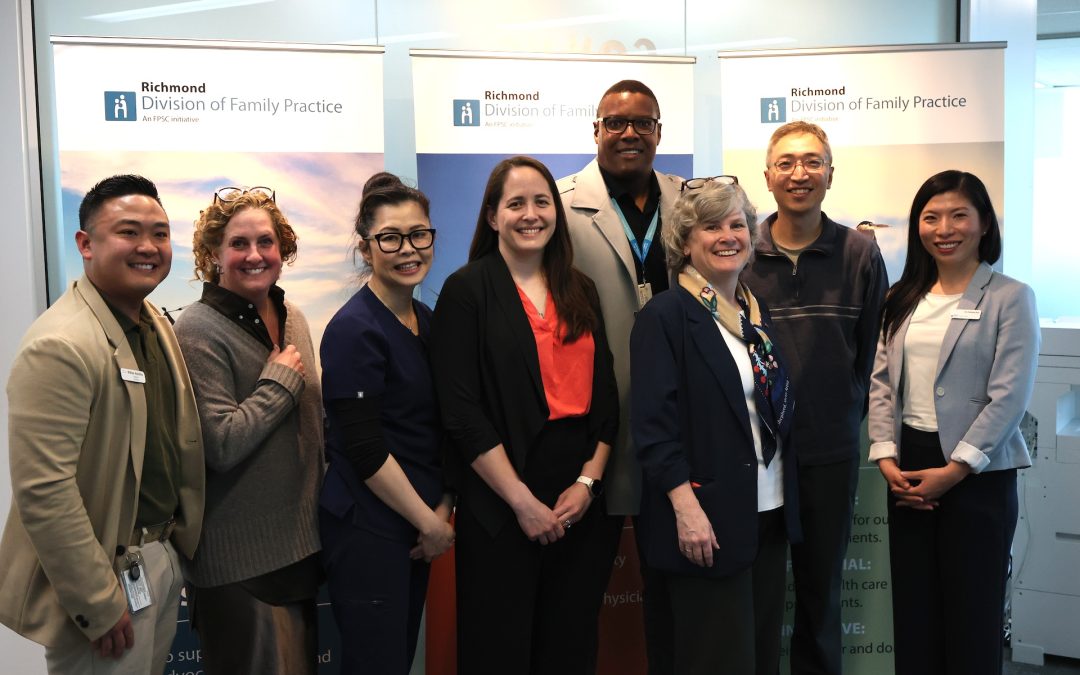
We were pleased to host a recent visit from Minister Josie Osborne of the BC Ministry of Health at the Richmond Division of Family Practice (RDFP) office and Primary Care Network (PCN) hub. The visit provided a valuable opportunity to share the unique needs of the Richmond community and to highlight the collaborative work underway to support patients, health‑care providers, and the health system as a whole.
A Meaningful Visit to the RDFP and PCN Hub
Discussions focused on how health‑care delivery must continue to evolve in response to Richmond’s demographic realities, while remaining grounded in patient experience and community context. The visit reinforced a shared commitment to strengthening access, continuity, and system navigation for patients.
Key Themes and Priorities Shared with the Ministry of Health
Several important themes emerged during the visit, underscoring values that guide ongoing work in Richmond:
- Care must respond to an aging population and significant cultural and linguistic diversity
- Patient experience of access is as important as traditional measures of attachment
- Navigation and continuity of care are central to patients feeling supported
- Team‑based care and strong community–hospital partnerships are essential to sustainable solutions
Minister Osborne recognized that Richmond benefits from a strong, collegial network of physicians, health‑care providers, and system leaders. The collaborative partnership between the RDFP and Vancouver Coastal Health (VCH) continues to support quality care, learning, recruitment, and provider retention, and remains a source of pride and progress in our community.
While challenges in health‑care access and delivery persist, Richmond and its partners are well-positioned to lead. We look forward to continuing these conversations and exploring opportunities to work together to strengthen access and care for our growing and diverse population.
We extend our sincere thanks to the RDFP and VCH teams who helped coordinate a successful and meaningful Ministry of Health visit.
Explore how the RDFP and the Richmond Primary Care Network are working together to support a stronger, more connected health system in Richmond.
by asupangco | Jan 20, 2026 | News
by asupangco | Nov 8, 2025 | News
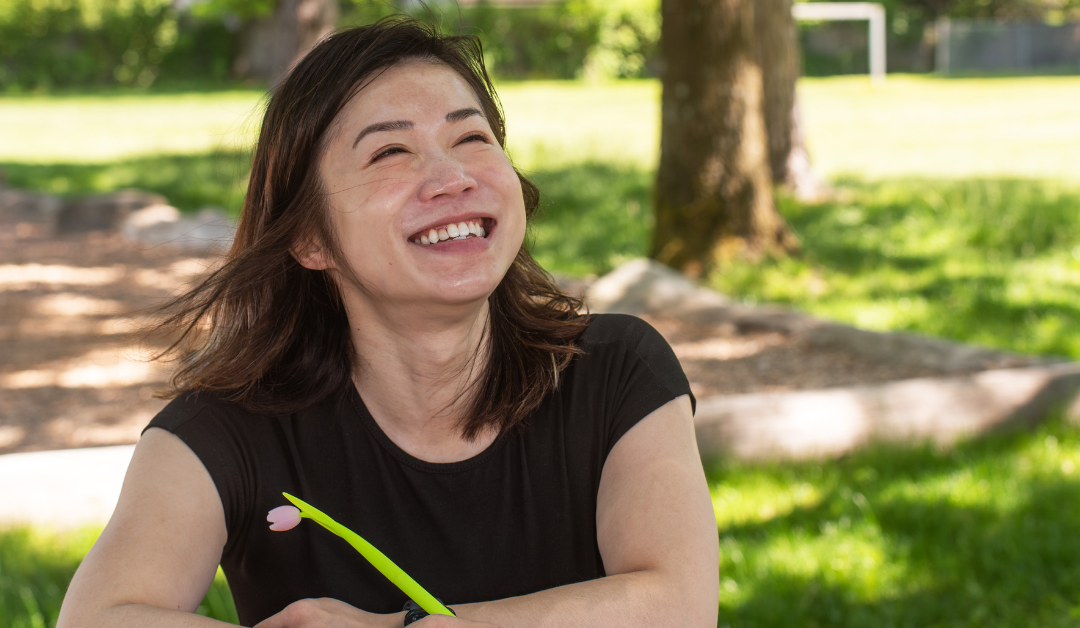
With the support of her family doctor and the Richmond PCN, Wendy Kwok was able to access counselling services that helped her navigate a difficult period in her life. The Richmond Primary Care Network connects patients with a wide range of supports, ensuring care is accessible, personalized, and responsive to community needs.
Support from a Family Doctor and the Richmond Primary Care Network (PCN)
When Wendy Kwok returned to Richmond following a divorce, she found herself facing emotional challenges that affected her health and daily life. A former professional bodybuilder, she had always valued fitness and discipline, but this period brought new difficulties, including low mood, disrupted sleep, and changes to her usual routines.
Recognizing the need for additional care, Wendy’s family doctor referred her to the Richmond Primary Care Network (PCN), where she was able to access MSP-funded counselling sessions. “That has been really helpful,” she explains, noting that private counselling would have been difficult to afford.
Mental Health Support in the Language Your are Comfortable In
Working with her counsellor, Wendy gradually found ways to restore balance and confidence. She learned the importance of setting boundaries and giving herself permission to prioritize her own wellbeing. With support in place, she has returned to some of her routines, including exercise and healthy eating, and is exploring new opportunities for the future.
Wendy hopes her story encourages others to consider reaching out for help when they need it. “I used to think nobody could help me, but that’s not true,” she says. “Even if your English isn’t perfect, the PCN has language options. The counselling has been very supportive.”
Wendy’s journey highlights how the Richmond PCN works hand in hand with family doctors to provide patients with essential mental health and wellness services. By making resources like counselling available, the PCN ensures that individuals and families in Richmond can access the care they need, when they need it.
The Richmond Primary Care Network (PCN) offers patients access to a range of supports, including counselling and wellness services, made possible through collaboration with local family physicians. These resources ensure that care is not only accessible, but also responsive to the needs of individuals and families in Richmond.
If you are interested in learning more about services available through the Richmond PCN, speak with your family physician. They can help connect you to the supports that best fit your needs.
A version of this article was originally published in Richmond Division of Family Practice Annual Impact Report 2025-25