

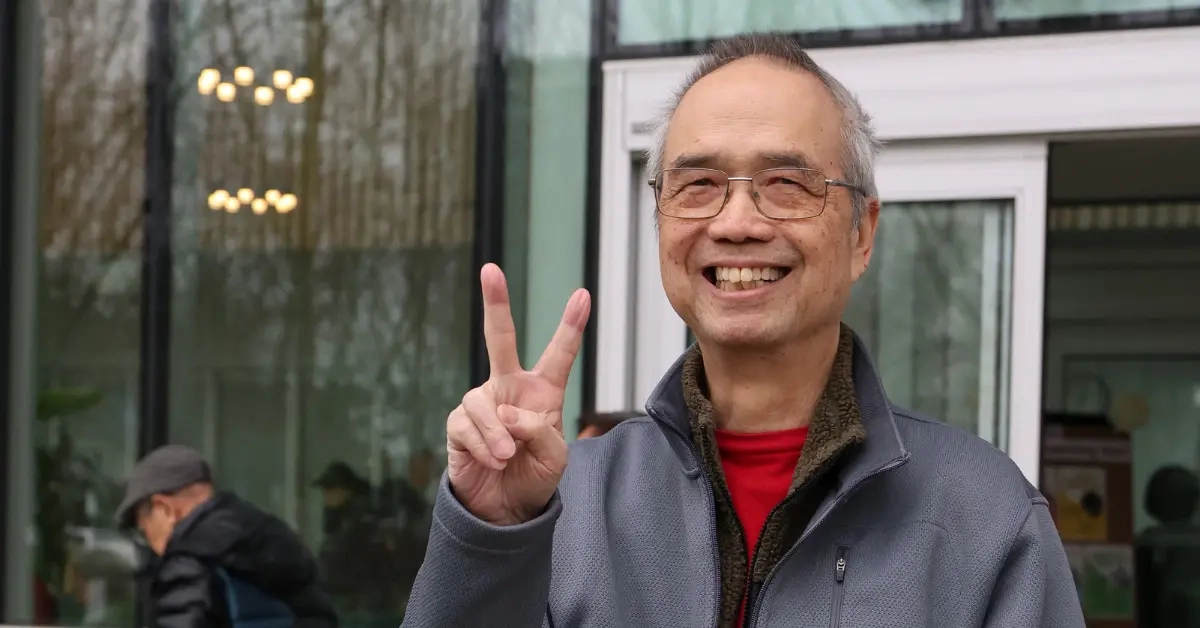
Before connecting with the Richmond Primary Care Network (PCN), George’s life had become increasingly challenging.
At age 74, George was living with several complex health conditions, including a history of open-heart surgeries, a pacemaker, and hypothyroidism. Over time, his energy levels declined, leaving him feeling exhausted and less motivated to stay active or socially engaged.
The situation became even more difficult when George’s wife experienced a serious fall resulting in a fracture. As her primary caregiver, George spent much of his time at home supporting her recovery. Because his wife was unable to manage stairs, George slept on a mat on the floor for several months so he could remain nearby to assist her.
With their adult children living outside the community, everyday responsibilities became increasingly demanding. During this same period, George also experienced the loss and illness of several close friends, contributing to feelings of isolation. Gradually, his physical activity decreased, social connections faded, and his mental health began to suffer. George eventually developed symptoms of depression.
Richmond PCN: Support That Addressed the Whole Picture
Recognizing the need for support, George reached out to his family physician and was referred to PCN services.
Through the PCN, George was connected with both a mental health counsellor and a community navigator. Together, they provided coordinated support that addressed not only his emotional well-being but also his connection to the community.
Through counselling, George learned practical strategies for managing negative thought patterns and was encouraged to take small, achievable steps toward rebuilding his routine and confidence.
At the same time, the community navigator helped George explore local recreational and social opportunities. George and his wife were assisted with registering at the Minoru Centre for Active Living, and George was encouraged to reconnect with activities he once enjoyed.
There, he reconnected with an old friend and returned to playing poker—an activity he had always enjoyed—which quickly became a regular and meaningful part of his week. He also began swimming regularly while his wife attended exercise classes.
A New Chapter
Today, George’s daily routine looks very different.
He participates in Luk Tung Kuen exercise classes each morning at South Arm Community Centre, plays cards with friends several times a week, and swims regularly. He feels more confident leaving home and navigating community programs independently.
Meanwhile, George’s wife has also benefited from PCN support. Physiotherapy services helped her regain strength and balance, allowing her to become more independent and active.
Together, George and his wife now share household responsibilities, shop together, and enjoy social outings, including meeting friends for dim sum.
These changes have had a noticeable impact on their quality of life. George now describes his health as good, reports more healthy days, and experiences fewer limitations related to depression.
For George, the PCN’s coordinated approach made a meaningful difference. By addressing his mental health, social connection, and caregiving challenges—and supporting his wife’s recovery—the PCN helped both George and his wife regain confidence, independence, and a greater sense of community.
Help Richmond PCN Help You and Your Patients
Learn more about how the Richmond Primary Care Network can support your patients.